
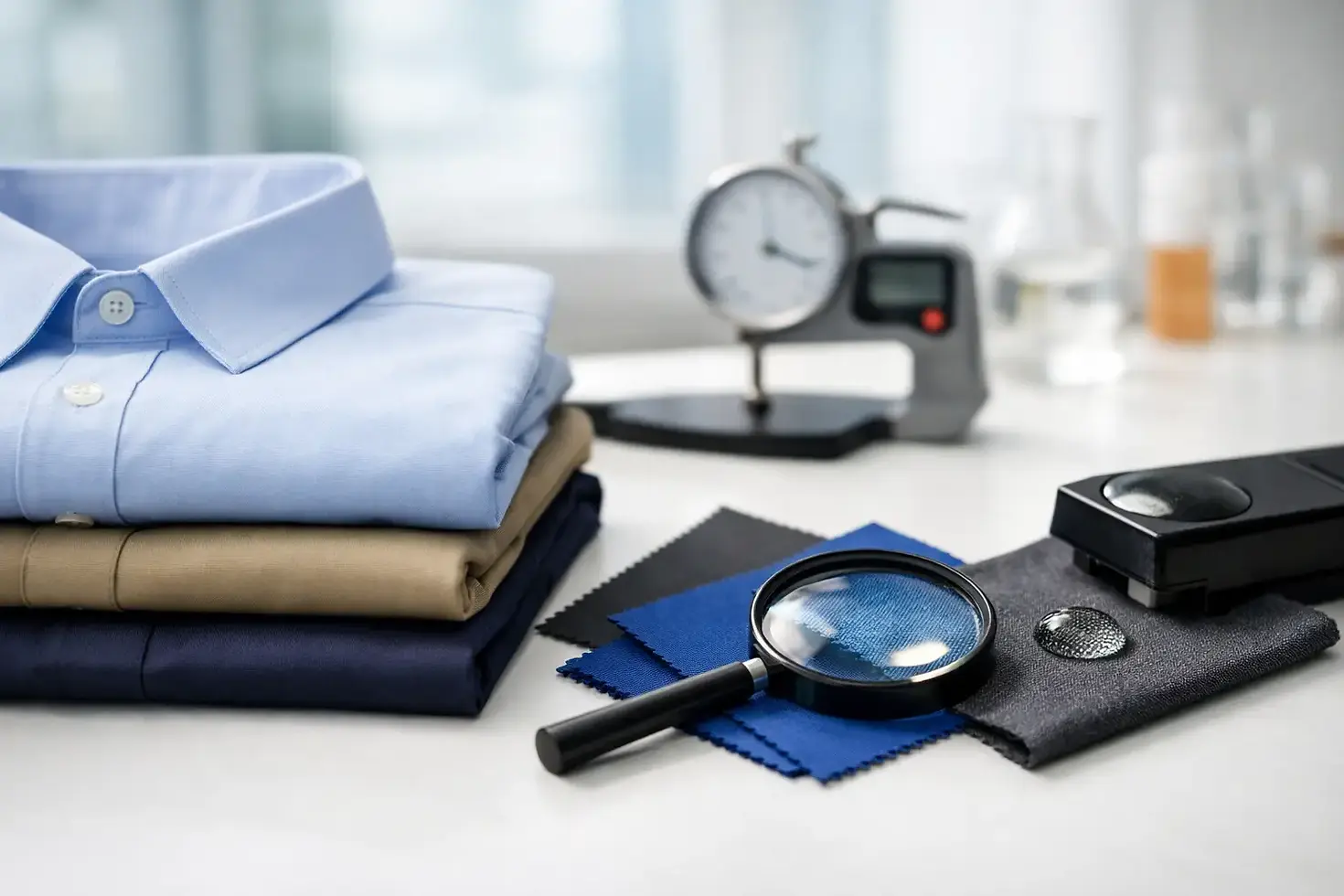
Uniform Fabric Performance Guide for Buyers

A front desk team that looks sharp at 8 a.m. but wrinkled by noon is usually not a training problem. A housekeeping uniform that fades after repeated industrial washing is not just a garment issue either. In both cases, the real problem often starts with fabric selection, which is why a practical uniform fabric performance guide matters so much for procurement teams, HR managers, and operations leaders.
Uniforms are expected to do several jobs at once. They need to represent the brand, support the role, stay comfortable through long shifts, and hold up under repeated laundering. When fabric decisions are based only on price or appearance, the result is often higher replacement rates, inconsistent presentation, and avoidable complaints from staff.
Why a uniform fabric performance guide matters
Fabric is the foundation of uniform performance. Design, fit, trims, and branding all matter, but the fabric determines how the garment behaves in daily use. That includes breathability, color retention, stretch, drape, shrinkage, wrinkle resistance, abrasion resistance, and wash durability.
For buyers managing uniforms across multiple departments, fabric choice also affects operational consistency. A restaurant group may need polished front-of-house uniforms, easy-care kitchen wear, and durable delivery apparel under one program. A hospital may need one set of standards for patient-facing staff and another for maintenance or support teams. The right material is rarely the same across every role.
This is where many uniform programs run into trouble. A fabric that looks excellent in a showroom may underperform in heat, humidity, frequent washing, or high-movement environments. Good buying decisions come from matching fabric performance to actual work conditions, not just appearance on day one.
Start with the work environment, not the swatch book
The best fabric selection process begins with role requirements. Before discussing GSM, weave, or fiber blend, buyers should define how the garment will be used. That means understanding shift length, indoor or outdoor conditions, exposure to heat, level of physical movement, frequency of washing, and the professional image expected from the uniform.
In hospitality, presentation often leads the conversation, but comfort is what affects wear compliance. Staff who work long hours in reception, service, housekeeping, or back-of-house functions need fabrics that balance structure with breathability. A crisp finish may suit guest-facing teams, but if the fabric traps heat or creases too easily, the uniform quickly loses its intended effect.
In healthcare, easy care and hygiene are often top priorities. Fabrics need to withstand regular washing while remaining comfortable across long shifts. In industrial and construction settings, durability and functional performance typically come first. Abrasion resistance, tear strength, and practical comfort are more valuable than a refined hand feel.
The key performance factors buyers should evaluate
Durability under real use
Durability is not just about fabric thickness. A heavier fabric can still fail if the fiber quality, yarn structure, or finishing is poor. Buyers should consider how the fabric handles repeated stress at seams, knees, elbows, collars, and pocket areas.
For high-turnover or physically demanding roles, stronger blends often make sense because they provide a better balance between wear life and cost control. That said, extra durability can sometimes mean a firmer hand feel. The right choice depends on whether the role requires rugged performance, a polished appearance, or both.
Breathability and comfort
Comfort drives day-to-day acceptance. If employees feel restricted, overheated, or uncomfortable, the uniform program becomes harder to manage regardless of how good the garments look.
Breathability matters especially in warm climates, active roles, and long shifts. Cotton-rich fabrics can feel comfortable and natural against the skin, while polyester blends often improve durability and color retention. Neither is automatically better. The question is how the fabric performs for that job, in that climate, under that laundry routine.
Appearance retention
A uniform should continue to look professional after repeated wear and washing. This includes resistance to wrinkling, fading, pilling, and shape loss. Appearance retention is especially important for customer-facing teams in hotels, retail, corporate offices, schools, and restaurants.
Some fabrics hold a sharper silhouette and resist creasing better, which reduces pressing requirements and helps teams maintain a clean presentation throughout the day. Others may feel softer initially but lose structure faster. Buyers should think beyond first impression and focus on the twentieth wash, not the first fitting.
Wash performance and care requirements
Laundry conditions often determine whether a uniform program stays cost-effective. Frequent commercial laundering, high-temperature washing, stain treatment, and tumble drying all place stress on fabric.
A good-looking fabric with high maintenance requirements may not be practical for operations that need fast turnaround and simple care. On the other hand, a very easy-care fabric may not provide the premium appearance required for luxury hospitality or executive settings. The trade-off is not always about right or wrong. It is about choosing the best fit for the use case.
Stretch and mobility
Roles that involve frequent bending, lifting, reaching, or fast-paced service benefit from fabrics with controlled stretch or construction that supports movement. Mobility affects comfort, but it also affects garment life. If the fabric cannot move with the wearer, stress points fail sooner.
This does not mean every uniform should use stretch fabric. In some formal or structured categories, too much stretch can affect appearance and longevity. A balanced approach usually performs better.
Common fabric types and where they work best
Cotton and cotton-rich blends
Cotton is valued for softness, comfort, and breathability. It works well in many school, corporate casual, and hospitality applications, especially where wearer comfort is a priority. The drawback is that pure cotton can wrinkle more easily, shrink if not properly finished, and wear faster in some high-stress environments.
Cotton-rich blends often solve part of that problem by improving wash stability and extending garment life while preserving comfort.
Polyester and poly blends
Polyester is widely used in uniforms because it offers strong color retention, wrinkle resistance, and wash durability. It is often a practical choice for large-scale programs where easy care and consistent appearance matter.
The main consideration is comfort. Lower-grade polyester fabrics can feel less breathable or less natural, especially in warm environments. Fabric construction and finishing make a big difference here, so buyers should not judge by fiber content alone.
Poly-cotton blends
For many sectors, poly-cotton remains one of the most dependable options. It balances durability, comfort, cost, and ease of care well enough for a wide range of uses. That is why it appears so often in education, healthcare support, hospitality operations, and general corporate uniforms.
Its strength is versatility, though it still needs to be matched to the role. A lightweight poly-cotton for housekeeping may not suit an industrial technician, and a standard shirting blend may not perform well in a kitchen.
Specialized performance fabrics
Moisture management, stain resistance, anti-static properties, flame resistance, and antimicrobial finishes can all add value in the right environment. These features are useful when they address a real operational need. They should not be added just for specification value.
Performance finishes can increase cost, and some require specific care protocols to maintain effectiveness. Buyers should confirm whether those features will deliver measurable benefit over the life of the program.
How to assess fabric before placing a bulk order
A strong sampling process protects both budget and timeline. Buyers should request fabric and garment samples that reflect the actual specification, not a close alternative. It is also smart to review the fabric under working conditions wherever possible.
Ask practical questions. How does the garment look after repeated washing? Will the shade remain consistent across repeat orders? Is the fabric suitable for embroidery, printing, or branded trims? Does it perform differently in men’s and women’s fits or across different garment categories?
An experienced manufacturing partner should be able to guide this process clearly, explain trade-offs, and recommend suitable alternatives when a requested material is likely to underperform. That consultative approach reduces risk before production starts.
Uniform fabric performance guide for long-term value
The best buying decision is rarely the cheapest fabric on the quotation. It is the fabric that performs reliably, supports the job, protects the brand image, and reduces replacement frequency over time. That is where long-term value comes from.
For organizations managing recurring orders, multiple branches, or large employee populations, consistency matters just as much as fabric quality. A dependable supplier with sourcing control, sampling support, and production oversight can maintain the same standard across repeat runs and scale production without sacrificing performance. For many buyers, that reliability is as important as the fabric itself.
Connection Uniforms LLC works with this reality every day across hospitality, healthcare, education, industrial, and corporate programs. The most successful uniform projects are not built around trends. They are built around fabric choices that make operations easier, presentation stronger, and reordering more predictable.
If you are reviewing your next uniform order, start by asking a simple question: how should this fabric perform after months of real use, not just on approval day? That question usually leads to a better program.


Comments